Research Article | | Peer-Reviewed

Navigating Organizational Spaces: Citizenship Behavior, Culture, and Performance in Tourism Infrastructure and Enterprise Zone Authority (TIEZA), Philippines

Received: 5 March 2026     Accepted: 16 March 2026     Published: 28 March 2026
Views:       Downloads:
Abstract

This study examined the mediating role of Organizational Citizenship Behavior (OCB) in the relationship between organizational culture and employee performance within the Tourism Infrastructure and Enterprise Zone Authority (TIEZA) in the Philippines. Using a quantitative approach, data were collected from 189 employees through a stratified pen-and-paper survey. Standardized instruments measured organizational culture, OCB and employee performance. Results revealed that TIEZA employees perceive a strong and cohesive culture characterized by high collectivism, uncertainty avoidance, and long-term orientation. OCB was generally high, especially in conscientiousness, courtesy, and altruism, though sportsmanship scored low. Employee performance was rated very satisfactory, with high task and contextual performance but moderate adaptability. Path analysis using the Lavaan package in R confirmed that OCB significantly mediates the relationship between organizational culture and employee performance (β = 0.37, p <.01), indicating that a supportive culture fosters discretionary behaviors that enhance performance outcomes. Demographic analysis showed minimal differences except by gender and employment status, suggesting consistent cultural perceptions across groups. The findings highlight the importance of nurturing a positive and inclusive culture that values recognition, collaboration, and servant leadership to sustain OCB and long-term organizational effectiveness.

Published in Journal of Public Policy and Administration (Volume 10, Issue 2)
DOI 10.11648/j.jppa.20261002.11
Page(s) 137-154
Creative Commons

This is an Open Access article, distributed under the terms of the Creative Commons Attribution 4.0 International License (http://creativecommons.org/licenses/by/4.0/), which permits unrestricted use, distribution and reproduction in any medium or format, provided the original work is properly cited.

Copyright

Copyright © The Author(s), 2026. Published by Science Publishing Group

Keywords

Organizational Culture, Organizational Citizenship Behavior, Employee Performance, TIEZA, Public Sector

1. Introduction
Human resources are widely recognized as essential for organizations to achieve effectiveness and long-term success. Beyond technical skills and formal job responsibilities, employees’ discretionary behaviors—those that go beyond their contractual duties—play a pivotal role in shaping workplace performance and organizational effectiveness Such behaviors, often described as Organizational Citizenship Behavior (OCB), include helping colleagues, showing conscientiousness, demonstrating civic virtue, and maintaining positive workplace attitudes . Although not formally rewarded, OCB is strongly associated with improved productivity, teamwork, innovation, and overall organizational performance .
Organizational culture plays a critical role in shaping such behaviors. A strong, positive culture provides the norms and values that encourage employees to go beyond their job descriptions . In turn, these behaviors enhance employee performance, which extends beyond task completion to include contextual and adaptive dimensions .
While OCB has been extensively studied in private organizations and Western contexts, research in government institutions, particularly in the Philippines, remains limited. This is significant because public sector organizations operate within bureaucratic structures where employee engagement and discretionary effort directly influence reform initiatives and service delivery . Studies have further highlighted inconsistencies in findings regarding the influence of organizational culture and socio-demographic characteristics on OCB and employee performance, with some reporting significant relationships and others showing weak or insignificant effects . These mixed empirical results underscore the need for further investigation, particularly in non-Western and government settings.
In the Philippine context, government-owned and controlled corporations (GOCCs) such as the Tourism Infrastructure and Enterprise Zone Authority (TIEZA) play a critical role in implementing national tourism policies and infrastructure development. Yet, many GOCCs continue to face challenges in performance evaluation, with governance reports indicating a high rate of underperformance between 2018 and 2022. Understanding the dynamics of OCB within such institutions is therefore timely and important.
This study explored TIEZA's OCB, organizational culture, and employee performance among its employees. Specifically, it determined the mediating role of OCB in organizational culture and employee performance and explores whether employee demographic profiles influence OCB and cultural perceptions. By doing so, the findings of this study will empower TIEZA employees to identify and develop their OCB skills, providing them with a better understanding of their performance.
1.1. Organizational Citizenship Behavior (OCB) and Its Dimensions
OCB refers to discretionary, voluntary actions by employ ees that go beyond formal job descriptions and contribute to organizational effectiveness . Current literature OCB operates as a behavioral mechanism, translating organizational norms and values into daily practice. Podsakoff, MacKenzie, Paine, and Bachrach (2000) posit that OCB improves organizational effectiveness by fostering coordination, employee cooperation, and adaptability to environmental shifts . Building on this, Bolino, Klotz, Turnley, and Harvey (2013) conceptualize OCB as a social exchange mechanism, where employees reciprocate a supportive work environment through discretionary actions exceeding their formal job descriptions .
Likewise, Ng and Feldman (2014) propose that OCB bridges organizational climate and employee outcomes by reinforcing collaboration, mitigating workplace friction, and bolstering informal support networks . Consequently, while organizational culture establishes shared expectations for cooperation and collective responsibility, OCB puts these expectations into practice through voluntary employee behavior. This mediating role is further substantiated by Harari, Reaves, and Viswesvaran (2018), whose meta-analysis indicates that positive cultural environments stimulate prosocial behaviors, which in turn enhance both individual and organizational performance . Thus, OCB effectively serves as a bridge between cultural values and concrete performance metrics.
Within the context of TIEZA, the observed mediation effect indicates that cultural traits—such as collectivism, long-term orientation, and strong relational norms—drive discretionary actions that support teamwork and service delivery. Ultimately, these behaviors boost employee effectiveness and advance the agency's broader mandate of developing tourism infrastructure.
In addition, studies show that OCB enhances cooperation, reduces turnover intentions, and fosters a positive organizational climate. In public organizations, OCB improves service delivery, accountability, and responsiveness to stakeholders. However, if not balanced with formal responsibilities, it can have unintended costs like work overload or role ambiguity .
Podsakoff et al. 2009 noted that despite varying evaluative dimensions, OCB has been studied extensively, resulting in over 30 forms related to individual and organizational outcomes . While previous researchers have classified OCB, Organ’s (1988) five-dimensional model remains the most popular and widely accepted . These are:
Altruism. It is a discretionary behavior helps others with organizational tasks or problems or takes the initiative to resolve organizational issues These actions include helping colleagues complete work, volunteering for non-required tasks, orienting new people, assisting those with heavy workloads, and demonstrating selflessness.
Conscientiousness. It is a discretionary employee behavior goes beyond minimum role requirements, such as attendance, rule compliance, break time, and punctuality . It also involves hard work beyond rule compliance Consistent and reliable behavior in the workplace, including regular attendance, cleanliness, punctuality, break time, and order preservation, is also an example.
Sportsmanship. It is the employee's willingness to tolerate less than ideal circumstances without complaining. They maintain a positive attitude, aren’t easily offended, and don’t complain about trivial matters. This reduces supervisors’ workload and allows them to focus on tasks. Examples include avoiding gossip and complaining about minor issues.
Courtesy. It is a discretionary behavior prevents work-related conflicts, or it is respectful and avoids conflicts or organizational issues . Courtesy involves treating colleagues with respect and being considerate, without addressing demoralization or discouragement in professional development.
Civic virtue. It involves a sense of duty and commitment beyond job responsibilities, enhancing effectiveness and promoting a positive work environment. It demonstrates interest and engagement with corporate policies and practices, such as staying informed about organizational matters and employee representation. Responsible participation in the company’s life or attentive, proactive participation are examples of civic virtue.
1.2. Organizational Culture and Its Influence on Work Behaviors
Organizational culture, defined as the shared values, beliefs, and norms that shape employee behavior, plays a pivotal role in guiding how employees interact and perform their tasks . Strong organizational cultures foster trust, collaboration, and alignment with organizational goals, while weak or inconsistent cultures may lead to disengagement and low morale .
Empirical studies reveal that organizational culture significantly influences OCB. A culture that emphasizes teamwork, openness, and ethical values tends to encourage employees to engage in extra-role behaviors . Thus, culture serves as a contextual factor that either enables or inhibits employees’ willingness to go beyond their formal duties.
Employee Performance and Its Relationship with OCB and Organizational Culture
Employee performance is commonly assessed through task performance (fulfillment of job duties), contextual performance (supportive behaviors that sustain the organizational environment), and adaptive performance (adjustment to change and innovation) . High-performing employees are essential for achieving organizational objectives, especially in government institutions where public accountability and efficiency are emphasized.
Research shows that OCB positively impacts individual and organizational performance by boosting productivity, service quality, and effectiveness . Organizational culture also influences performance by shaping employee motivation and indirectly fostering OCB. However, the relationship may vary based on setting, leadership style, and employee motivation .
Taken together, the literature suggests that organizational culture shapes OCB, which in turn enhances employee performance. This mediating role of OCB is crucial in understanding how organizational practices influence outcomes, particularly in the public sector.
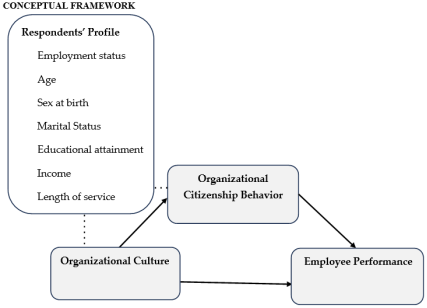
Figure 1. The Conceptual Framework of the Study.
Tools:
Organizational Culture Questionnaire developed by Yoo, Donthu, & Lenartowicz (2011).
OCB Questionnaire by Podsakoff et al. (1990).
Employee Performance Scale developed by Pradhan & Jena (2017).
Figure 1 illustrates the relationships between organizational culture (independent variable), OCB (mediating variable), influencing employee performance (dependent variable). Organizational culture reflects TIEZA personnel’s adaptation to the organizational environment, considering factors like power distance, uncertainty avoidance, collectivism, masculinity, and long-term orientation. OCB represents the degree to which TIEZA personnel contribute beyond their formal job requirements, as defined by Organ (1988) in terms of altruism, courtesy, conscientiousness, sportsmanship, and civic virtue . Employee performance is based on task, adaptive, and contextual performance.
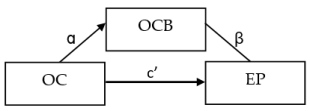
Figure 2. Mediation analysis model (Hayes, 2009).
Figure 2 helps us to understand not just the direct effects of organizational culture on employee performance but also how this relationship is mediated through employee behaviors such as OCB.
In determining any ‘mediation’ effect in the relationship or the presence of a mediator in the model, it is important to note the following terminologies:
A direct effect is simply a direct relationship between an independent variable and a dependent variable in the presence of the mediator (c’).
An indirect effect is the relationship that flows from an independent variable to a mediator and then to a dependent variable (ɑ*β).
A total effect is the combined influence of the direct effect between two constructs and the indirect effect flowing through the mediator (c = c’ + ɑ*β).
This study employed a quantitative research design employing a survey data collection technique to measure organizational culture, OCB, and employee performance within TIEZA, Pasay City, Philippines.
A total of 189 TIEZA employees participated in the study, which was conducted using a stratified sampling method. A pen-and-paper survey was administered in May 2024 for two weeks at the TIEZA office in Pasay City to gather demographic information, organizational culture, OCB, and employee performance data from the respondents. OCB was determined using a 24-item questionnaire developed by Podsakoff et al. (1990) Organizational culture was assessed using a 26-item questionnaire developed by Yoo, Donthu, & Lenartowicz (2011) Lastly, employee performance was measured using the 23-item questionnaire developed by Pradhan and Jena (2017) The participants gave their full consent, understanding the study's purpose and selection process. Ethical considerations include confidentiality and data protection. Participants were assured of support for any distress, with the option to withdraw without consequences. Anonymity and confidentiality were strictly maintained as per the Data Privacy Act of 2012. The data gathered was analyzed using the Lavaan package in R .
2. Results and Discussion
Response Rate of the Respondents
Table 1. Response rate of the respondents.

Employment Status

Total Population per Strata

Sample Size per Strata

Returned Survey Questionnaires

Response Rate

Permanent

225

97

88

90.00%

Coterminous

41

18

13

72.22%

CTI*

20

9

7

77.78%

Contract of Service

45

19

13

68.42%

Job Order

179

77

68

88.31%

TOTAL

510

220

189

85.91%

Source: Survey, 2023
Note: *Coterminous with the incumbent
Table 1 shows the response rate of respondents. A total of 220 survey questionnaires were distributed among TIEZA employees, of which 189 were retrieved and considered valid for analysis, resulting in an overall response rate of 85.91%. Among the employment status groups, the permanent employees achieved the highest response rate (90.00%), while the contract of Service employees recorded the lowest (68.42%). The relatively high response rate suggests strong participation and engagement among TIEZA employees. This aligns with Baruch and Holtom (2008), who noted that an 80% response rate is considered excellent in organizational research . To mitigate nonresponse, follow-up reminders and communication were sent, which proved effective in raising participation levels.
Socio-Demographic Profile of Respondent
Table 2 shows respondents’ socio-demographic characteristics. Permanent employees (46.56%) were the majority, followed by CTI employees (3.70%). Over half (56.09%) were in their prime working age (31–54), followed by early (29.63%) and old (14.29%) working age. 45.5% were males and 54.5% were females. The “prefer not to say” category was included to respect gender diversity beyond male and female. 53.97% were single, and 46.03% were married. Most (76.72%) held at least a college degree, meeting civil service requirements for permanent positions, while 17.46% had postgraduate studies. Most (39.15%) fell into the lower middle-income bracket, reflecting standard compensation in Philippine government service. Most employees (38.62%) were mid-career, followed by early career (29.63%), likely due to TIEZA’s 2013 reorganization that opened opportunities for young professionals.
Table 2. Summary of Socio-demographic characteristics of the respondents.

Variable

Number of Respondents Frequency (n=189)

Percentage of Respondents (%)

Employment Status

Permanent

88

46.56%

Coterminous

13

6.88%

CTI

7

3.70%

Contract of Service

13

6.88%

Job Order

68

35.98%

Age

21-30 Years Old (Early Working Age)

56

29.63%

31-54 Years Old (Prime Working Age)

106

56.09%

55-64 Years Old (Old Working Age)

27

14.29%

Sex at birth

Male

86

45.50%

Female

103

54.50%

Prefer not to say

0

0%

Marital Status

Single

102

53.97%

Married

87

46.03%

Educational Attainment

High School Level/Graduate (Level 1)

11

5.82%

College Graduate (Level 2)

145

76.72%

Master’s Graduate (Level 3)

33

17.46%

Income

₱10,958.00 – ₱21,194.00 (Lower Income)

65

34.39%

₱21,195.00 – ₱43,828.00 (Lower Mid Income)

74

39.15%

₱43,829.00 – ₱76,669.00 (Middle Income)

41

21.70%

₱76,670.00 – ₱131,484.00 (Upper Mid Income)

9

4.76%

Length of service

Less than 3 Years (Early Career)

56

29.63%

3 – 10 Years (Mid-Career)

73

38.62%

10 – 20 Years (Experienced)

31

16.40%

More that 20 years (Veterans)

29

15.34%

Source: Survey, 2023
Instrument Validity
Table 3. Model evaluation of the three scales: OC, OCB, and EP.

Scale

𝛘 2

df

p

𝛘 2/df

CFI

TLI

RMSEA

SRMR

OC

511.61

289.00

<.001

1.77

0.90

0.89

0.08

0.05

OCB

618.75

242.00

<.001

2.56

0.82

0.80

0.09

0.10

EP

396.02

167.00

<.001

2.37

0.91

0.89

0.09

0.05

Table 3 shows CFA results for organizational culture, OCB, and employee performance. The organizational culture scale fit was acceptable (χ²/df = 1.77, CFI = 0.90, TLI = 0.89, RMSEA = 0.08, SRMR = 0.05). The OCB scale fit was reasonable (χ²/df = 2.56, CFI = 0.82, TLI = 0.80, RMSEA = 0.09), slightly below Hu & Bentler’s cutoff values . The employee performance scale demonstrated strong construct validity after dropping Item 21, supporting a three-factor structure (χ²/df = 2.37, CFI = 0.91, TLI = 0.89, RMSEA = 0.09, SRMR = 0.05).
The confirmatory factor analysis for the OCB scale resulted in a CFI of 0.82. While this falls slightly below the conventional 0.90 threshold, values above 0.80 are generally acceptable in applied organizational research utilizing established multidimensional scales and field data, provided other fit indicators and theoretical coherence remain sound .
The OCB instrument was kept in its original multidimensional format to maintain theoretical integrity and allow for comparison with previous studies. Exploratory diagnostics showed that removing individual items did not significantly improve model fit; instead, it risked undermining the conceptual breadth of the OCB construct across its five dimensions: altruism, conscientiousness, courtesy, civic virtue, and sportsmanship. Therefore, given the theoretical strength and widespread use of the Podsakoff et al., scale, all items were retained to preserve construct validity .
These findings validate the adapted instruments as valid measures of organizational culture, OCB, and employee performance within the TIEZA context. The slightly lower fit indices for OCB are common, as it varies across cultural and organizational contexts .
Reliability of Instrument
Table 4. Reliability: Cronbach’s alpha for organizational culture.

Coefficient α

Power Distance

0.68

Uncertainty Avoidance

0.86

Collectivism

0.85

Masculinity

0.85

Long-term Orientation

0.85

Total

0.77

Table 5. Reliability: Cronbach’s alpha for OCB.

Coefficient α

Conscientiousness

0.78

Sportsmanship

0.84

Civic Virtue

0.78

Courtesy

0.82

Altruism

0.86

Total

0.80

Table 6. Reliability: Cronbach’s alpha for Employee Performance.

Coefficient α

Task Performance

0.825

Context Performance

0.919

Adaptive Performance

0.897

Total

0.952

Tables 4-6 present the reliability analyses for the three scales. Cronbach’s alpha values for all scales exceeded the minimum threshold of 0.70 (Nunnally, 1978), indicating satisfactory internal consistency . Specifically,
Organizational Culture: Overall α = 0.77, with subscales ranging from 0.68 (Power Distance) to 0.86. The slightly lower reliability in Power Distance is consistent with previous findings that this dimension is culturally sensitive .
Organizational Citizenship Behavior: Overall α = 0.80, with subscales ranging from 0.78 to 0.86, indicating strong consistency.
Employee Performance: Overall α = 0.95, with subscales between 0.82 and 0.92, demonstrating excellent reliability.
Together, these results establish that the instruments used are both valid and reliable in measuring the constructs under study, supporting their application in the Philippine government agency context.
TIEZA’s Organizational Culture
Table 7. TIEZA’s Organizational culture.

Valid

Mean

Std. Error of Mean

95% Confidence Interval Mean

Description

Upper

Organizational Culture

189

3.43

0.03

3.48

Strong culture

Power distance

189

2.15

0.04

2.23

Low

Uncertainty avoidance

189

4.33

0.04

4.41

High

Collectivism

189

3.64

0.05

3.74

High

Masculinity

189

2.19

0.06

2.31

Low

Long-term orientation

189

4.37

0.04

4.45

High

Table 7 presents the results of the study regarding organizational culture among TIEZA employees. The overall organizational culture score (M = 3.43, SE = 0.03) that TIEZA employees perceive a generally strong and cohesive organizational culture, particularly characterized by high uncertainty avoidance, collectivism, and long-term orientation. These cultural attributes align with TIEZA’s mandate as a government agency tasked with long-term tourism infrastructure development, where stability, planning, and collaboration are essential. The low power distance score suggests a culture of openness and relatively egalitarian relationships, enabling dialogue and consultation across ranks. Similarly, the low masculinity score underscores the balance between assertiveness and collaboration, indicating an inclusive environment.
These cultural dimensions provide a fertile ground for discretionary behaviors. Employees operate within clear structures while also valuing teamwork, which directly supports the development of organizational citizenship behaviors. However, the presence of gender-based perception differences—where males reported stronger cultural alignment compared to females—suggests that inclusivity gaps may still exist. This points to the need for greater attention to gender-responsive leadership and recognition systems to ensure that cultural alignment is equally experienced across groups.
Level of OCB among TIEZA employees
Table 8 shows that TIEZA employees exhibited particularly high levels of conscientiousness, civic virtue, courtesy, and altruism, all of which contribute to a cooperative and high-performing organizational environment.
Table 8. Level of OCB among TIEZA employees.

Valid

Mean

Std. Error of Mean

95% Confidence Interval Mean

Description

Upper

Organizational Citizenship Behavior

189

3.70

0.03

3.75

High OCB

Conscientiousness

189

4.23

0.04

4.31

High

Sportsmanship

189

1.89

0.05

1.99

Low

Civic virtue

189

3.76

0.05

3.86

High

Courtesy

189

4.41

0.04

4.50

High

Altruism

189

4.24

0.04

4.32

High

Conscientiousness (M = 4.23) reflects diligence, responsibility, and reliability . TIEZA employees consistently meet their job responsibilities and often volunteer for additional tasks during peak periods, demonstrating strong dedication.
Civic virtue (M = 3.76) was also high, indicating employees’ active participation in organizational activities such as meetings, committees, and decision-making processes. Their willingness to recommend changes for efficiency reflects a commitment to organizational improvement beyond personal benefit.
Courtesy (M = 4.41), the highest among all dimensions, reflects respect and consideration toward others. TIEZA employees maintain harmonious workplace relationships, manage conflicts constructively, and engage in supportive behaviors that sustain a positive organizational climate.
Altruism (M = 4.24) was similarly high, highlighting employees’ readiness to assist colleagues without expecting personal gain. For example, covering for colleagues during personal emergencies or helping other departments with projects illustrates a strong culture of support and selflessness, which contributes directly to organizational success.
However, the study revealed a low score in sportsmanship (M = 1.89). This dimension reflects tolerance, fairness, and resilience in the workplace The low rating may be linked to frustrations over perceived favoritism, unhealthy competition, or limited respect for diverse opinions. Such issues could contribute to reduced morale, interpersonal conflicts, and increased turnover intentions—patterns noted in other public-sector organizations.
Despite this shortcoming, the high OCB levels (M = 3.75) among TIEZA employees suggest widespread discretionary behaviors, improving job satisfaction, productivity, and organizational commitment. These findings confirm OCB prevalence among TIEZA employees, consistent with Organ’s 1988 framework . High levels of conscientiousness, courtesy, and altruism reflect reliability, respect, and willingness to help others—traits critical in the public sector. The low sportsmanship score, however, suggests potential concerns regarding fairness and conflict management. Prior studies emphasized that a strong organizational culture enhances employees’ intrinsic motivation to exceed formal job duties . TIEZA’s supportive culture fosters OCB expression, strengthening its capacity for sustainable organizational performance.
Level of Employee Performance among TIEZA employees
Table 9. Level of Employee Performance among TIEZA employees.

Valid

Mean

Std. Error of Mean

95% Confidence Interval Mean

Description

Upper

Employee Performance

189

3.92

0.04

4.01

Very Satisfactory

Task performance

189

4.18

0.05

4.27

High

Contextual Performance

189

4.06

0.05

4.16

High

Adaptive Performance

189

3.50

0.04

3.57

Neutral

Table 9 presents the results of employee performance among TIEZA employees. Findings revealed that the overall performance of employees was rated as very satisfactory (M = 3.92, SE = 0.04).
Employees consistently met deliverables, volunteered for responsibilities beyond their roles, and contributed to organizational objectives. However, the neutral score for adaptive performance is revealing. While employees could adjust to new tools and systems, they demonstrated limited readiness for complex or unexpected challenges. This suggests that TIEZA’s human resource development strategies must expand beyond technical competence to include adaptability, problem-solving, and change-readiness.
Similarly, a high level of contextual performance (M = 4.06, SE = 0.05) was observed. This refers to behaviors that extend beyond core job duties, such as supporting colleagues, volunteering for additional responsibilities, and active participation in organizational activities. Despite being outside their formal roles, many employees extended their working hours to contribute to projects or supported their teammates, demonstrating strong commitment to organizational success.
In contrast, adaptive performance (M = 3.50, SE = 0.04) was rated at a neutral level. Adaptive performance measures employees’ capacity to adjust to workplace changes, solve problems, and handle new challenges effectively. While TIEZA employees showed responsiveness when new systems were introduced (e.g., adapting to an upgraded project management tool), challenges remained in dealing with more complex or unexpected situations. This suggests the need for capacity-building initiatives to strengthen adaptability, problem-solving skills, and responsiveness to rapid organizational changes.
Further, the link between low sportsmanship and neutral adaptive performance further reinforces this finding. Both suggest challenges with resilience and managing transitions, which, if left unaddressed, could weaken TIEZA’s long-term capacity to respond to crises and dynamic shifts in tourism development.
Overall, TIEZA employees demonstrated very satisfactory performance (M = 3.92, SE = 0.04), indicating competence in performing their core responsibilities, positive engagement in contextual behaviors, and moderate adaptability to change. These findings highlight that employees are generally hardworking, committed, and aligned with TIEZA’s organizational goals.
The mediation analysis
The mediation analysis was conducted using Hayes’ (2009) Process Macro regression framework via Lavaan in R, examining OCB’s role in mediating the relationship between OC and EP among TIEZA employees .
Table 10. Organizational culture and employee performance: Direct effects.

95% Confidence Interval

Estimate

Std. Error

z-value

p-value

Lower

Upper

OC

→→→

EP

0.65

0.16

3.93

<.001

0.29

1.01

As shown in Table 10, organizational culture had a significant direct effect on employee performance (β = 0.65, SE = 0.16, z = 3.93, p <.001). This suggests that employees working within a supportive and positive culture demonstrated higher levels of performance. The results align with studies by Suwibawa et al. (2018), Darto et al. (2015), and Lunenburg (2011), who also found that organizational culture directly shapes performance outcomes . Similarly, Denison (1990) emphasized that organizational culture strongly influences employee attitudes and behaviors that enhance performance .
Culture drives performance. Employees are more motivated, committed, and efficient when they perceive the organization as supportive. This aligns with Denison’s (1990) assertion that culture shapes organizational performance by aligning employee attitudes with organizational goals .
Table 11. The Mediating Role of OCB between organizational culture and employee performance: Indirect effects.

95% Confidence Interval

Estimate

Std. Error

z-value

p-value

Lower

Upper

OC → OCB → EP

0.37

0.13

2.89

0.00

-0.02

0.74

Table 11 illustrates the mediating role of OCB. Results revealed a significant indirect effect of organizational culture on employee performance through OCB (β = 0.37, SE = 0.13, z = 2.89, p =.00). This indicates that a supportive organizational culture enhances OCB, which in turn improves employee performance. Employees in TIEZA who perceived their culture positively were more likely to exhibit discretionary behaviors such as helping colleagues and volunteering for tasks, reinforcing Organ’s 1988 conceptualization of OCB . These supports Cameron and Quinn (2011) and Denison 1990, who suggest that culture fosters extra-role behaviors, ultimately improving performance .
Employees who feel valued and supported are more likely to go beyond their job requirements, volunteering, supporting peers, and showing initiative. These behaviors improve overall performance. Organ (1988) and Podsakoff et al. (2000) found OCB to be crucial in linking organizational context to individual performance .
Table 12. Organizational culture and employee perormance as mediated by OCB: Total effects.

95% Confidence Interval

Estimate

Std. Error

z-value

p-value

Lower

Upper

OC

EP

1.01

0.20

5.02

<.001

0.47

1.53

As presented in Table 12, the total effect of organizational culture on employee performance was also significant (β = 1.01, SE = 0.20, z = 5.02, p <.001). This indicates that both the direct and indirect pathways jointly strengthen employee performance. The findings support Schien (2010), who emphasized that positive culture enhances job satisfaction, motivation, and engagement .
The total effect (β = 1.01) suggests that fostering a strong organizational culture does more than directly improve performance—it simultaneously stimulates OCB, creating a compounded positive effect. This finding supports Cameron and Quinn (2011), who argued that culture drives both employee satisfaction and discretionary effort .
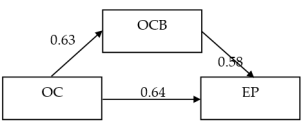
Figure 3. Path analysis model using Lavaan package in R.
The path analysis model (Figure 3) further confirmed these relationships. The coefficient linking organizational culture to OCB was significant (β = 0.63, p <.01), as was the link from OCB to employee performance (β = 0.58, p <.001). Together, these relationships explained 44.2% of the variance in employee performance (R² = 0.442). These findings reinforce previous research which established OCB as a critical determinant of performance outcomes .
Notably, the results suggest that OCB contributes more strongly to performance than culture alone (β = 0.58 vs. β = 0.64 direct effect). This underscores the importance of cultivating behaviors beyond formal job descriptions. At TIEZA, initiatives such as recognition programs, leadership support, and professional development appear to foster these behaviors, ultimately enhancing performance. The mediation analysis confirmed that OCB significantly mediates the relationship between organizational culture and employee performance.
Specifically, strong cultural dimensions (collectivism, long-term orientation) fostered courtesy, altruism, and civic virtue, which in turn enhanced task and contextual performance. This underscores the critical mechanism through which culture translates into performance: discretionary behaviors bridge formal structures and effective outcomes. Importantly, OCB contributed more strongly to performance than organizational culture alone.
This highlights the necessity of cultivating behaviors beyond formal job descriptions. TIEZA’s recognition programs and leadership support may already be nurturing this, but institutionalizing such mechanisms—particularly those that address gaps in sportsmanship and adaptive performance—remains vital.
Table 13. Organizational culture: Socio-demographic.

Variables

N

Mean

SD

SE

f-value

t-value

p-value

Remarks

Employment Status

Permanent

88

3.43

0.32

0.03

0.074

0.99

Not Significant

Coterminus

68

3.44

0.32

0.09

CTI

7

3.36

0.39

0.07

Contract of Service

13

3.43

0.30

0.08

Job Order

13

3.44

0.39

0.05

Young working age

56

3.38

0.36

0.05

0.85

0.429

Not Significant

Age

Prime working age

106

3.45

0.33

0.03

Old working age

27

3.46

0.35

0.07

Gender

Male

86

3.52

0.35

0.04

3.439

<.001

Males have significantly higher OC values than females.

Female

103

3.36

0.32

0.03

Marital status

Single

102

3.41

0.34

0.03

-1.14

0.26

Not Significant

Married*

87

3.46

0.34

0.04

Educational Attainment**

Highschool

11

3.56

0.37

0.11

1.36

0.26

Not Significant

College

145

3.41

0.33

0.03

Graduate School

33

3.48

0.39

0.07

Income**

Low

65

3.45

0.38

0.05

0.41

0.74

Not Significant

Lower middle

74

3.40

0.34

0.04

Middle

41

3.44

0.28

0.04

Upper middle and above

9

3.48

0.24

0.08

Job tenure**

Less than 3 years

56

3.76

0.35

0.05

0.32

0.81

Not Significant

3 – 10 years

73

3.71

0.31

0.04

10 – 20 years

31

3.68

0.39

0.07

More than 20 years

29

3.57

0.34

0.06

* Including widow/er and separated
** ANOVA using Type III Sum of Squares
Relationship between the respondent’s profiles and organizational culture
Table 13 shows the relationship between respondents’ socio-demographic profiles and organizational culture. Results showed no significant differences in organizational culture perceptions based on employment status (f = 0.074, p = 0.99). Regardless of employment type, employees’ perceptions of TIEZA’s organizational culture are consistent. Mean scores ranged from CTI employees (M = 3.36, SD = 0.39) to job order employees (M = 3.44, SD = 0.39). Consistent application of organizational values across employment types enhances efficiency and employee satisfaction, suggesting cohesive and uniform cultural initiatives across employment categories.
Results showed no significant age-related differences (f = 0.85, p = 0.429). Perceptions remained stable across early, prime, and older working age groups (M = 3.38, SD = 0.36; M = 3.45, SD = 0.33; M = 3.46, SD = 0.35). This suggests TIEZA’s culture is inclusive and effective across age groups. Interestingly, these findings contrast with Surucu and Surucu (2020), who found younger employees perceive organizational culture more strongly .
A statistically significant gender difference was found (t = 3.439, p < 0.001). Male employees (M = 3.52, SD = 0.35) reported higher organizational culture values than females (M = 3.36, SD = 0.32). This suggests men perceive or experience organizational culture more positively than women at TIEZA. Holt and DeVore (2005) suggested men strive to maintain dominant roles, which could influence their perceptions . However, El Badawy, Trukillo-Reyes, and Magdy (2017) reported no gender differences in cultural perceptions among Egyptian and Mexican employees .
Marital status didn’t significantly influence TIEZA’s culture perception (t = -1.14, p = 0.26). Married employees (M = 3.46, SD = 0.34) had slightly higher perceptions than single employees (M = 3.41, SD = 0.34). This suggests inclusivity, as marital status doesn’t strongly affect culture perception.
Educational attainment also didn’t show significant differences (f = 1.36, p = 0.26). Employees with only high school education reported slightly higher perceptions (M = 3.56, SD = 0.37) than college (M = 3.41, SD = 0.33) and graduate-level employees (M = 3.48, SD = 0.39), but the variations were not statistically significant.
Income level didn’t show significant differences (f = 0.41, p = 0.74). However, employees in higher income categories tended to perceive organizational culture more positively.
Job tenure differences weren’t significant (f = 0.32, p = 0.81). Employees with shorter tenure (< 3 years) reported higher cultural perception scores (M = 3.76, SD = 0.35) than those with over 20 years of service (M = 3.57, SD = 0.34). This trend aligns with El Badawy et al. (2017), who found that newer employees often express higher perceptions of organizational culture .
TIEZA’s organizational culture is consistently perceived across most socio-demographic groups, except for gender, where male employees reported significantly higher perceptions than females.
Table 14. OCB: Socio-demographic.

Variables

N

Mean

SD

SE

f-value

t-value

p-value

Remarks

Employment Status

Permanent

88

3.73

0.29

0.03

3.049

0.018

Significant ***

Coterminus

68

3.72

0.32

0.09

CTI

7

3.33

0.41

0.15

Contract of Service

13

3.84

0.31

0.09

Job Order

13

3.66

0.40

0.05

Young working age

56

3.74

0.35

0.05

2.84

0.133

Not Significant

Age

Prime working age

106

3.70

0.34

0.03

Old working age

27

3.58

0.36

0.07

Gender

Male

86

3.69

0.38

0.04

-0.382

0.70

Not Significant

Female

103

3.71

0.32

0.03

Marital status

Single

102

3.41

0.34

0.03

-1.14

0.26

Not Significant

Married*

87

3.46

0.34

0.04

Educational Attainment**

Highschool

11

3.53

0.44

0.13

3.19

0.05

Not Significant

College

145

3.68

0.34

0.03

Graduate School

33

3.81

0.30

0.05

Income **

Low

65

3.64

0.42

0.05

2.30

0.08

Not Significant

Lower middle

74

3.70

0.30

0.04

Middle

41

3.74

0.29

0.05

Upper middle and above

9

3.94

0.24

0.08

Job tenure**

Less than 3 years

56

3.76

0.35

0.05

1.83

0.14

Not Significant

3 – 10 years

73

3.71

0.31

0.04

10 – 20 years

31

3.68

0.39

0.07

More than 20 years

29

3.57

0.34

0.06

* Including widow/er and separated
** ANOVA using Type III Sum of Squares
*** p_tukey
Relationship between the respondent’s profiles and OCB
Table 14 shows the relationship between respondents’ socio-demographic profiles and OCB. Employment status significantly influenced OCB (p = 0.018). COS employees reported the highest OCB (M = 3.82, SD = 0.31), followed by permanent (M = 3.73, SD = 0.29) and coterminous employees (M = 3.72, SD = 0.32). Employees with stable or secure employment may feel more committed to extra-role behaviors, while COS employees may demonstrate stronger motivation to prove their value. This aligns with Ibrahim, Abu Bakar, and Amin (2018), who noted higher OCB in contractual employees to enhance their reputation and long-term employability .
Conversely, CTI employees had the lowest OCB levels (M = 3.33, SD = 0.41). This may reflect challenges with limited incentives, lack of salary increases, and exclusion from performance-based bonuses despite retaining former PTA benefits during TIEZA’s 2013 reorganization. These conditions may reduce discretionary behaviors, consistent with Chen, Hu, and King (2018), who noted that lower job security and incentives can undermine OCB .
Table 15. Post Hoc Comparisons - Employment Status.

Mean Difference

SE

t-value

ptukey

Permanent

Coterminus

0.01

0.10

0.08

1.00

CTI

0.40

0.13

3.03

0.02

COS

-0.11

0.10

-1.04

0.84

JO

0.07

0.06

1.27

0.71

Coterminus

CTI

0.40

0.16

2.49

0.10

COS

-0.11

0.13

-0.85

0.92

JO

0.06

0.10

0.60

0.98

CTI

COS

-0.51

0.16

-3.20

0.01

JO

-0.33

0.13

-2.48

0.10

COS

JO

0.17

0.10

1.70

0.44

Note. P-value adjusted for comparing a family of 5
The Tukey-Kramer post hoc test (Table 15) confirmed that CTI employees’ OCB scores were significantly lower than those of permanent (p = 0.02) and COS employees (p = 0.01), supporting Podsakoff et al. (2000)’s emphasis on job characteristics and employment arrangements affecting discretionary effort and engagement . Permanent employees’ enhanced job stability and COS employees’ motivation likely explain their higher OCB compared to CTI employees.
Results showed no statistically significant differences in OCB based on age, gender, marital status, education, income, or tenure, though subtle trends were observed.
Younger employees reported slightly higher OCB (M = 3.74, SD = 0.35) than prime (M = 3.70, SD = 0.34) and older employees (M = 3.58, SD = 0.36). This trend aligns with El Badawy, Trukillo-Reyes, and Magdy (2017), who found younger employees more likely to engage in discretionary behaviors, though it contrasts with Perdhana and Dewi (2017), who reported higher OCB among older employees .
No significant differences emerged in gender, though female employees (M = 3.71, SD = 0.32) reported slightly higher OCB than males (M = 3.69, SD = 0.38). This aligns with findings by Allen and Rush (2001), Bahrami et al. (2013), and Perdhana and Dewi (2017), suggesting women often engage more in cooperative and helping behaviors .
Married employees reported slightly higher OCB (M = 3.46, SD = 0.34) compared to single employees (M = 3.41, SD = 0.34). Similar findings have been reported by Igbinomwanhia and Akinmayoma (2014), suggesting marital status has minimal influence on OCB .
OCB scores tended to increase with educational attainment, with graduate school employees (M = 3.81, SD = 0.30) showing the highest levels. This suggests higher education may foster greater awareness of the importance of discretionary efforts, consistent with .
OCB rose with income, with upper middle- and high-income employees reporting the highest mean (M = 3.94, SD = 0.24). This aligns with Sudha (2020)’s finding of a positive link between socioeconomic status and OCB but differs from Abdullah and Kamil (2020)’s finding of no effect .
Employees with shorter tenure (M = 3.76, SD = 0.35) exhibited higher OCB than veterans (M = 3.57, SD = 0.34). Though not statistically significant, this supports Chen, Hu, and King (2018)’s finding of greater effort by newer employees to integrate and prove themselves .
Employment status is the strongest differentiator of OCB at TIEZA, with CTI employees reporting the lowest engagement in discretionary behaviors. Other demographic variables showed interesting trends but lacked statistical significance. Addressing structural employment conditions is crucial for shaping OCB.
Strategies for Fostering Organizational Culture, OCB, and Employee Performance
Table 16 below presents TIEZA employees’ insights on fostering organizational culture, enhancing OCB, and improving employee performance through open-ended questions. The strategies are organized into key thematic areas, reflecting a holistic approach that integrates culture-building, discretionary behaviors, and performance improvement.
Table 16. Strategies for Fostering OCB and Employee Performance.

Strategy Area

Organizational Culture

OCB

Employee Performance

Promoting Work-Life Balance and Open Communication

Emphasizing the importance of leaders modeling behaviors, they wish to see in their staff

Encouraging harmony, teamwork, and cooperation among coworkers

Providing regular forums for open communication between management and employees, ensuring all voices are heard regardless of employment status

Training and Development

Conducting regular seminars and training sessions focused on organizational behavior, leadership, and value enhancement

Incorporating OCB-related topics into onboarding programs and ongoing training efforts

Implementing workshops that emphasize innovation, creativity, and collaborative work among different departments

Leadership and Management Practices

Adopting a servant leadership approach inspired by examples like Pope Francis, emphasizing humility, empathy, and fairness

Ensuring managers lead by example and demonstrate OCB in their daily interactions

Providing leadership development programs that empower managers to foster a positive work culture and support OCB initiatives

Employee Engagement and Recognition

Creating opportunities for employees to participate in decision-making processes fosters a sense of ownership and commitment to TIEZA's success

Establishing a culture of appreciation and recognition for employees who demonstrate OCB

Implementing formal recognition programs, bonuses, promotions, and other incentives tied to OCB contributions

Organizational Culture and Environment

Implementing policies and practices that promote fairness, transparency, and equity across all levels of the organization

Cultivating a positive work environment that encourages proactive behavior and responsibility among employees

Conducting regular assessments of organizational culture and value alignment to reinforce desired behaviors

Source: Survey, 2023
Organizational and Institutional Development (OID) Implications
Overall, this study offers insights not only for TIEZA but also for government-owned and controlled corporations (GOCCs) in the Philippines. Beyond compliance with governance frameworks such as the Performance-Based Bonus (PBB), the findings demonstrate that organizational culture and OCB serve as deeper and more sustainable levers for enhancing employee performance. While much of the existing literature emphasizes formal performance management systems and incentive-based mechanisms, this study highlights the importance of informal organizational dynamics—shared values, norms, and discretionary employee behaviors—in shaping workplace effectiveness.
From an OID perspective, several institutional levers can be emphasized:
1. Structural: Address disparities across employment categories. CTI employees’ low OCB underscores how inequitable structures can weaken engagement. Revisiting benefits, recognition, and development opportunities across employment types can create a more equitable environment that fosters discretionary behaviors.
2. Cultural: Reinforce inclusivity and recognition. Strengthening policies that promote fairness, gender equality, and recognition of discretionary efforts ensures that employees across demographics perceive organizational culture positively and equitably.
3. Capability: Strengthen adaptive capacity. Neutral adaptive performance suggests that employees require training in problem-solving, innovation, and crisis responsiveness. Investing in these skills is critical for a tourism agency tasked with responding to unpredictable global and local challenges.
4. Leadership: Institutionalize servant leadership. Leadership that model’s humility, empathy, and support fosters OCB and strengthens culture. Managers should be trained and incentivized to demonstrate OCB themselves, thereby embedding these values into everyday practices.
5. Change management: Apply frameworks such as Lewin’s model (Unfreeze–Change–Refreeze) to institutionalize cultural and behavioral shifts. For TIEZA, this could mean unfreezing entrenched inequities, introduce inclusive recognition programs, and embed these as permanent organizational routines.
By operationalizing these levers, TIEZA can sustain a high-performance culture grounded in OCB, inclusivity, and adaptability. This approach also contributes to broader GOCC reform efforts by highlighting that sustainable performance improvement depends less on compliance-driven incentives and more on nurturing culture, citizenship behaviors, and resilience.
3. Conclusions and Recommendations
This explorative study investigated the role of OCB in understanding organizational culture and employee performance within the Tourism Infrastructure and Enterprise Zone Authority (TIEZA). A total of 189 employees participated in the survey using standardized instruments for organizational culture, OCB, and employee performance
Findings revealed that TIEZA employees perceived their organizational culture as positive, OCB as high (M = 3.75), and their performance as very satisfactory. Results of the path analysis demonstrated significant relationships among the three constructs:
Organizational culture → Employee performance (β = 0.65, z = 3.93, p < 0.001), indicating that strong cultural values directly enhance employee performance.
Organizational culture → OCB (β = 0.63, z = 3.00, p = 0.00), suggesting that supportive cultures promote discretionary behaviors.
OCB → Employee performance (β = 0.58, z = 10.49, p < 0.001), highlighting OCB as a predictor of higher performance.
Importantly, OCB emerged as a mediator, amplifying the positive impact of organizational culture on employee performance. These results support previous findings on the pivotal role of OCB in organizational effectiveness . Demographic variations also indicated the presence of subcultures across employee groups .
Despite these robust findings, certain limitations must be noted.
First, the use of a cross-sectional design limits observations to a single timeframe, meaning causal inferences should be drawn with caution. Future longitudinal research could better map how these dynamics develop over time.
Second, the respondents were all on self-reported survey data which introduces the risk of common method bias. While anonymity and established scales mitigated this risk, subsequent studies should incorporate varied data sources, like supervisor evaluations or objective metrics, to strengthen the findings.
Finally, the sample was restricted to a single government agency – TIEZA. Although useful for understanding public sector dynamics, expanding research to other institutions or tourism agencies would improve the generalizability of the results.
Nevertheless, the results remain valid and contextually relevant for TIEZA. The findings yield several strategic insights for TIEZA's organizational development. First, the mediating influence of OCB demonstrates that employee performance relies heavily on informal cooperative behaviors within the workplace culture, not just formal structures. Fostering a culture that rewards collaboration and discretionary effort is crucial for enhancing overall institutional effectiveness. Second, adopting leadership models that prioritize servant leadership, employee recognition, and shared accountability can reinforce existing cultural norms and maintain high performance levels. Furthermore, aligning cultural initiatives with human resource strategies—such as integrating values into training and performance management—will support both employee well-being and institutional goals.
4. Recommendations
Based on the findings, it is recommended that TIEZA sustain and strengthen OCB by fostering respect for authority and gender equality, recognizing discretionary efforts through incentives, and promoting collaboration to maintain a positive workplace climate.
Reinforcing organizational culture is also vital. Expanding recognition programs aligned with TIEZA’s goals, enhancing leadership and team-building initiatives, and ensuring transparent communication can deepen employee engagement and shared values.
The data also revealed relatively lower scores in the sportsmanship dimension of OCB, potentially pointing to workplace frustrations, bureaucratic hurdles, or communication deficits impacting morale. To mitigate this, TIEZA should optimize organizational communication, enhance feedback systems, and encourage participatory decision-making. Implementing dialogue sessions, recognition programs, and transparent grievance procedures can cultivate an environment where employees feel valued. Empathetic and fair leadership is also vital to sustaining positive employee attitudes during periods of organizational stress or change.
Finally, employees reported a neutral rating for adaptive performance (M = 3.5). Given the rapid shifts in the tourism and infrastructure sectors, TIEZA must prioritize adaptability. Expanding continuous learning opportunities, cross-functional training, and exposure to innovative governance practices will better equip employees to navigate emerging industry challenges.
Finally, employee development and feedback systems should be enhanced through structured coaching, regular feedback sessions, and an open-door policy that encourages upward communication. Promoting teamwork and cross-unit collaboration will further build collective ownership of organizational goals.
By implementing these measures, TIEZA can strengthen employee performance, promote OCB, and sustain a culture that supports long-term organizational effectiveness and success.
Abbreviations

CTI

Coterminus with the Incumbent

GOCC

Government Owned and Controlled Corporations

OCB

Organizational Citizenship Behavior

TIEZA

Tourism Infrastructure and Enterprise Zone Authority

Author Contributions
Paquito Lagrosas Jr: Conceptualization, Writing – original draft, Data curation, Formal Analysis, Validation, Methodology
Rhea Gumasing: Supervision, Conceptualization, Writing – review & editing, Formal Analysis, Supervision, Methodology
Mayo Grace Amit: Supervision
Nelson Jose Vincent Querijero: Supervision
Conflicts of Interest
The authors declare no conflicts of interest.
References
[1] Abdullah, M. R. & Kamil, N. L. M. (2020). Demographic characteristics and organizational citizenship behavior in public institutions. Institutions and Economics, 12(2), 89 – 105.
[2] Allen, T. D., & Rush, M. C. (2001). The influences of ratee gender on organizational citizenship behavior. Journal of Applied Social Psychology, 31(12), 2561 – 2587.
[3] Bahrami, M. A., Razieh, M., Saeed, H. G., & Arefeh, D. T. (2013). Relationship between organizational perceived justice and organizational citizenship behavior among Iranian hospital’s employees. Electric Physician, 6(2). 838 – 844.
[4] Baruch, Y., & Holtom, B. C. (2008). Survey response rate levels and trends in organizational research. Human Relations, 61(8), 1139–1160.
[5] Bolino, M. C., Klotz, A. C., Turnley, W. H., & Harvey, J. (2013). Exploring the dark side of organizational citizenship behavior. Journal of Organizational Behavior, 34(4), 542-559.
[6] Cameron, K. S., & Quinn, R. E. (2011). Diagnosing and changing organizational culture: based on the competing values framework (3rd ed.). Jossey-Bass.
[7] Chiang, C. F. & Hseih, T. S. (2012). The impacts of perceived organizational support and psychological empowerment on job performance: The mediating effects of organizational citizenship behavior. International Journal of Hospitality Management, 31, 180 – 190.
[8] Chen, C. T., Hu, H. H. S., & King, B. (2018). Shaping the organizational citizenship behavior or workplace deviance: Key determining factors in the hospitality workforce. Journal of Hospitality and Tourism Management, 35(3), 1 – 8.
[9] Christensen, R. K., & Whiting, S. W. (2009). Employee evaluations in the public sector: Public service motivation, task, and citizenship behaviors. The Korean Journal of Policy Studies, 23(2), 41 – 56.
[10] Darto, M., Setyadi, D., Riadi, S. S., Hariyadi, S. (2015). The effect of transformational leadership, religiosity, job satisfaction, and organizational culture on organizational citizenship behavior and employee performance in the Regional Offices of National Institute of Public Administration, Republic of Indonesia. European Journal of Business Management, 7, 205 – 219.
[11] Denison, D. R. (1990). Corporate Culture and Organizational Effectiveness. Wiley.
[12] El Badawy, T. A., Trukillo-Reyes, J. C., & Magdy, M. M. (2017). The demographics’ effect on organizational culture, organizational citizenship behavior, and job satisfaction: Evidence from Egypt and Mexico. Business and Management Research, 6(1), 28 – 41.
[13] Gregor-Planer, D. (2019). The relationship between organizational commitment and organizational citizenship behaviors in the public and private sectors. Journal of Human Resources Management Research.
[14] Güven, B. (2018). The quantitative and qualitative analysis of organizational citizenship behavior. Journal of Business and Economic Policy, 5(3), 54 – 66.
[15] Hair, J. F., Black, W. C., Babin, B. J., & Anderson, R. E. (2019). Multivariate data analysis (8th ed.). Cengage Learning.
[16] Harari, M. B., Reaves, A. C., Beane, D. A., Laginess, A. J., & Viswesvaran, C. (2018). Personality and expatriate adjustment: A meta-analysis. Journal of Occupational and Organizational Psychology, 91(3), 486-517.
[17] Hayes, A. F. (2009). Beyond Baron and Kenny: Statistical mediation analysis in the new millennium. Communication Monographs, 76(4), 408 – 420.
[18] Hofstede, G. (1980). Culture’s consequences: International differences in work-related values. Beverly Hills, CA: Sage Publications.
[19] Holt, J. L. & DeVore, C. J. (2005). Culture, gender, organizational role, and styles of conflict resolution: A meta- analysis. International Journal of Intercultural Relations, 29(2), 165 – 196.
[20] Hu, L. T., & Bentler, P. M. (1999). Cutoff criteria for fit indexes in covariance structure analysis: Conventional criteria versus new alternatives. Structural Equation Modeling: A Multidisciplinary Journal, 6(1), 1-55.
[21] Ibrahim, M. A., Aziz, S. F. A., Halim, M. R. T. A., & Sulaiman, W. S. W. (2021). The influence of organizational culture on organizational citizenship behavior among The Royal Malaysia Police in Selangor. International Journal of Academic Research in Accounting Finance and Management Sciences, 11(3), 62 – 76.
[22] Ibrahim, R. M., Abu Bakar, N. M., & Amin, A. (2018). Demographic profiling of local governments’ employees in East Coast Region Malaysia towards organizational citizenship behavior. Advances in Social Science, Education and Humanities Research, 292, 626 – 632.
[23] Igbinomwanhia, O. R. & Akinmayowa, J. T. (2014). The determinants of citizenship behavior in Nigerian organizations. European Journal of Business and Management, 6(35), 155 – 168.
[24] Iskamto, D. (2023). Organizational culture and its impact on employee performance. International Journal of Management and Digital Business, 2(1), 47 – 55.
[25] Lunenburg, F. C. (2011). Expectancy theory of motivation: Motivating by altering expectations. International Journal of Management, Business, and Administration, 15(1), 1 – 6.
[26] Muzakki, M., Eliyana, A., & Muhtadi, R. (2019). Is employee performance affected by organizational culture, work motivation and organizational citizenship behavior (OCB)?: an empirical investigation. Journal of Integrated Education Engineering and Business, 1(1), 36 – 42.
[27] Ng, T. W. H., & Feldman, D. C. (2014). Subjective career success: A meta-analytic review. Journal of Vocational Behavior, 85(2), 169-179.
[28] Nunnally, J. C. (1978). Psychometric theory (2nd ed.). McGraw-Hill.
[29] Organ, D. W. (1988). Organizational Citizenship Behavior. The Good Soldier Syndrome. Lexington, MA. Lexington Books.
[30] Perdhana, M. S., & Dewi, R. M. (2017). Demographic factors and organizational citizenship behavior in Indonesia: Are they related? Advanced Science Letter, 23, 7292 – 7294.
[31] Podsakoff, P. M., MacKenzie, S. B., Moorman, R. H., & Fetter, R. (1990). Transformational leader behaviors and their effects on followers’ trust in leader, satisfaction, and organizational citizenship behaviors. The Leadership Quarterly, 1(2), 107 – 142.
[32] Podsakoff, P. M, MacKenzie, S. B, Paine, J. B & Bachrach, D. G. (2000). Organizational citizenship behaviors: A critical review of the theoretical and empirical literature and suggestions for future research. Journal of Management, 26(3), 513 – 563.
[33] Podsakoff, N. P., Whiting, S. W., Podsakoff, P. M., & Blume, B. D. (2009). Individual-and organizational-level consequences of organizational citizenship behaviors: A meta-analysis. Journal of Applied Psychology, 94(1), 122 – 141.
[34] Pradhan, R. K. & Jena, L. K. (2017). Employee performance at workplace: Conceptual model and empirical validation. Business Perspectives and Research, 5(1), 69 – 85.
[35] Pratiwi, L. A. & Nawangsari, L. C. (2021). Organizational citizenship behavior while mediating self-efficacy, servant leadership and organizational culture on employee performance. European Journal of Business Management Research, 6(1), 225 – 231.
[36] Praveena, A. & Fonceca C. M. (2023). Organizational culture and its influence on employee behavior. International Journal of Recent Scientific Research, 14(4) 2945 – 2949.
[37] Romaiha, N. R., Maulud, F. S. F., Ismail, W. M. W., Jahya, A., Fahana, N., & Harun, A. (2019). The determinants of organizational citizenship behavior. International Journal of Academic Research in Business and Social Sciences, 9(8), 124 – 133.
[38] Rosseel, Y. (2012). Lavaan: An R package for structural equation modeling and more. Version 0.5–12 (BETA). Journal of Statistical Software, 48(2), 1 – 36.
[39] Schein, E. H. (2010). Organizational Culture and Leadership. Jossey-Bass.
[40] Sonnentag, S. & Frese, M. (2005). Performance concepts and performance theory. Psychological Management of Individual Behavior. John Wiley & Sons, Ltd.
[41] Sudha, S. (2020). Impact of organizational culture on organizational citizenship behavior.
[42] Sürücü, L. & Sürücü, D. (2020). Organizational culture and demographic characteristics. Journal of Business Research-Turk, 12(2), 1046 – 1057.
[43] Suwibawa, I. G. N., Meitriana, M. A., & Sujana, I. N. (2018). Effect of organizational culture and organizational commitment on organizational citizenship behavior. International Journal of Social Science and Humanities Research, 6(1), 365-373.
[44] Velikovska, A. (2017). Organizational citizenship behavior- definition, determinants and effects. Engineering Management, 3(1), 40 – 51.
[45] Wang, M., Armstrong, S. J., Li, Y., Li, W., Hu, X., & Zhong, X. (2023). The influence of leader-follower cognitive style congruence on organizational citizenship behaviors and the mediating role of trust. Acta Psychological, 238, 1 – 10.
[46] Yoo, B., Donthu, N., & Lenartowicz, T. (2011). Measuring Hofstede’s five dimensions of cultural values at the individual level: Development and validation of CVSCALE. Forthcoming in Journal of International Consumer Marketing. 1 – 17.
Cite This Article
  • APA Style

    Jr, P. L., Gumasing, R., Amit, M. G., Querijero, N. J. V. (2026). Navigating Organizational Spaces: Citizenship Behavior, Culture, and Performance in Tourism Infrastructure and Enterprise Zone Authority (TIEZA), Philippines. Journal of Public Policy and Administration, 10(2), 137-154. https://doi.org/10.11648/j.jppa.20261002.11

    Copy | Download

    ACS Style

    Jr, P. L.; Gumasing, R.; Amit, M. G.; Querijero, N. J. V. Navigating Organizational Spaces: Citizenship Behavior, Culture, and Performance in Tourism Infrastructure and Enterprise Zone Authority (TIEZA), Philippines. J. Public Policy Adm. 2026, 10(2), 137-154. doi: 10.11648/j.jppa.20261002.11

    Copy | Download

    AMA Style

    Jr PL, Gumasing R, Amit MG, Querijero NJV. Navigating Organizational Spaces: Citizenship Behavior, Culture, and Performance in Tourism Infrastructure and Enterprise Zone Authority (TIEZA), Philippines. J Public Policy Adm. 2026;10(2):137-154. doi: 10.11648/j.jppa.20261002.11

    Copy | Download

  • @article{10.11648/j.jppa.20261002.11,
      author = {Paquito Lagrosas Jr and Rhea Gumasing and Mayo Grace Amit and Nelson Jose Vincent Querijero},
      title = {Navigating Organizational Spaces: Citizenship Behavior, Culture, and Performance in Tourism Infrastructure and Enterprise Zone Authority (TIEZA), Philippines},
      journal = {Journal of Public Policy and Administration},
      volume = {10},
      number = {2},
      pages = {137-154},
      doi = {10.11648/j.jppa.20261002.11},
      url = {https://doi.org/10.11648/j.jppa.20261002.11},
      eprint = {https://article.sciencepublishinggroup.com/pdf/10.11648.j.jppa.20261002.11},
      abstract = {This study examined the mediating role of Organizational Citizenship Behavior (OCB) in the relationship between organizational culture and employee performance within the Tourism Infrastructure and Enterprise Zone Authority (TIEZA) in the Philippines. Using a quantitative approach, data were collected from 189 employees through a stratified pen-and-paper survey. Standardized instruments measured organizational culture, OCB and employee performance. Results revealed that TIEZA employees perceive a strong and cohesive culture characterized by high collectivism, uncertainty avoidance, and long-term orientation. OCB was generally high, especially in conscientiousness, courtesy, and altruism, though sportsmanship scored low. Employee performance was rated very satisfactory, with high task and contextual performance but moderate adaptability. Path analysis using the Lavaan package in R confirmed that OCB significantly mediates the relationship between organizational culture and employee performance (β = 0.37, p <.01), indicating that a supportive culture fosters discretionary behaviors that enhance performance outcomes. Demographic analysis showed minimal differences except by gender and employment status, suggesting consistent cultural perceptions across groups. The findings highlight the importance of nurturing a positive and inclusive culture that values recognition, collaboration, and servant leadership to sustain OCB and long-term organizational effectiveness.},
     year = {2026}
    }
    

    Copy | Download

  • TY  - JOUR
    T1  - Navigating Organizational Spaces: Citizenship Behavior, Culture, and Performance in Tourism Infrastructure and Enterprise Zone Authority (TIEZA), Philippines
    AU  - Paquito Lagrosas Jr
    AU  - Rhea Gumasing
    AU  - Mayo Grace Amit
    AU  - Nelson Jose Vincent Querijero
    Y1  - 2026/03/28
    PY  - 2026
    N1  - https://doi.org/10.11648/j.jppa.20261002.11
    DO  - 10.11648/j.jppa.20261002.11
    T2  - Journal of Public Policy and Administration
    JF  - Journal of Public Policy and Administration
    JO  - Journal of Public Policy and Administration
    SP  - 137
    EP  - 154
    PB  - Science Publishing Group
    SN  - 2640-2696
    UR  - https://doi.org/10.11648/j.jppa.20261002.11
    AB  - This study examined the mediating role of Organizational Citizenship Behavior (OCB) in the relationship between organizational culture and employee performance within the Tourism Infrastructure and Enterprise Zone Authority (TIEZA) in the Philippines. Using a quantitative approach, data were collected from 189 employees through a stratified pen-and-paper survey. Standardized instruments measured organizational culture, OCB and employee performance. Results revealed that TIEZA employees perceive a strong and cohesive culture characterized by high collectivism, uncertainty avoidance, and long-term orientation. OCB was generally high, especially in conscientiousness, courtesy, and altruism, though sportsmanship scored low. Employee performance was rated very satisfactory, with high task and contextual performance but moderate adaptability. Path analysis using the Lavaan package in R confirmed that OCB significantly mediates the relationship between organizational culture and employee performance (β = 0.37, p <.01), indicating that a supportive culture fosters discretionary behaviors that enhance performance outcomes. Demographic analysis showed minimal differences except by gender and employment status, suggesting consistent cultural perceptions across groups. The findings highlight the importance of nurturing a positive and inclusive culture that values recognition, collaboration, and servant leadership to sustain OCB and long-term organizational effectiveness.
    VL  - 10
    IS  - 2
    ER  - 

    Copy | Download

Author Information
  • Corporate Planning Department, Tourism Infrastructure and Enterprise Zone Authority, Pasay City, Philippines

  • Institute for Governance and Development, University of the Philippines Los Baños, Los Baños Laguna, Philippines


  • Institute for Governance and Development, University of the Philippines Los Baños, Los Baños Laguna, Philippines

  • Institute for Governance and Development, University of the Philippines Los Baños, Los Baños Laguna, Philippines